Quick Answer:
For an astrological gemstone, you need both an astrologer and a gemologist. The astrologer identifies which planet needs support and prescribes the correct stone. The gemologist confirms if the stone is natural, untreated, and fit for remedial use. One expert cannot do both jobs.
Buying a gemstone for astrology combines Vedic astrology and gemology. One person can never master both fields. The astrologer acts like a doctor. They study your birth chart and prescribe a planet and a stone. The gemologist acts like a pharmacist. They test the stone to ensure the physical remedy is pure and fit for use.
Getting this right matters because an incorrect stone brings harm. A synthetic stone holds zero planetary value, a treated stone carries a damaged frequency that creates bad luck, and a fake stone remains an astrological void. Nabgraha Gems teaches that the remedy fails when the physical medicine is wrong.
Expert Insight: The astrologer gives the prescription. The gemologist checks the medicine. Do not confuse the two.
Highlight: An astrological remedy requires both the right prescription and the right physical stone.
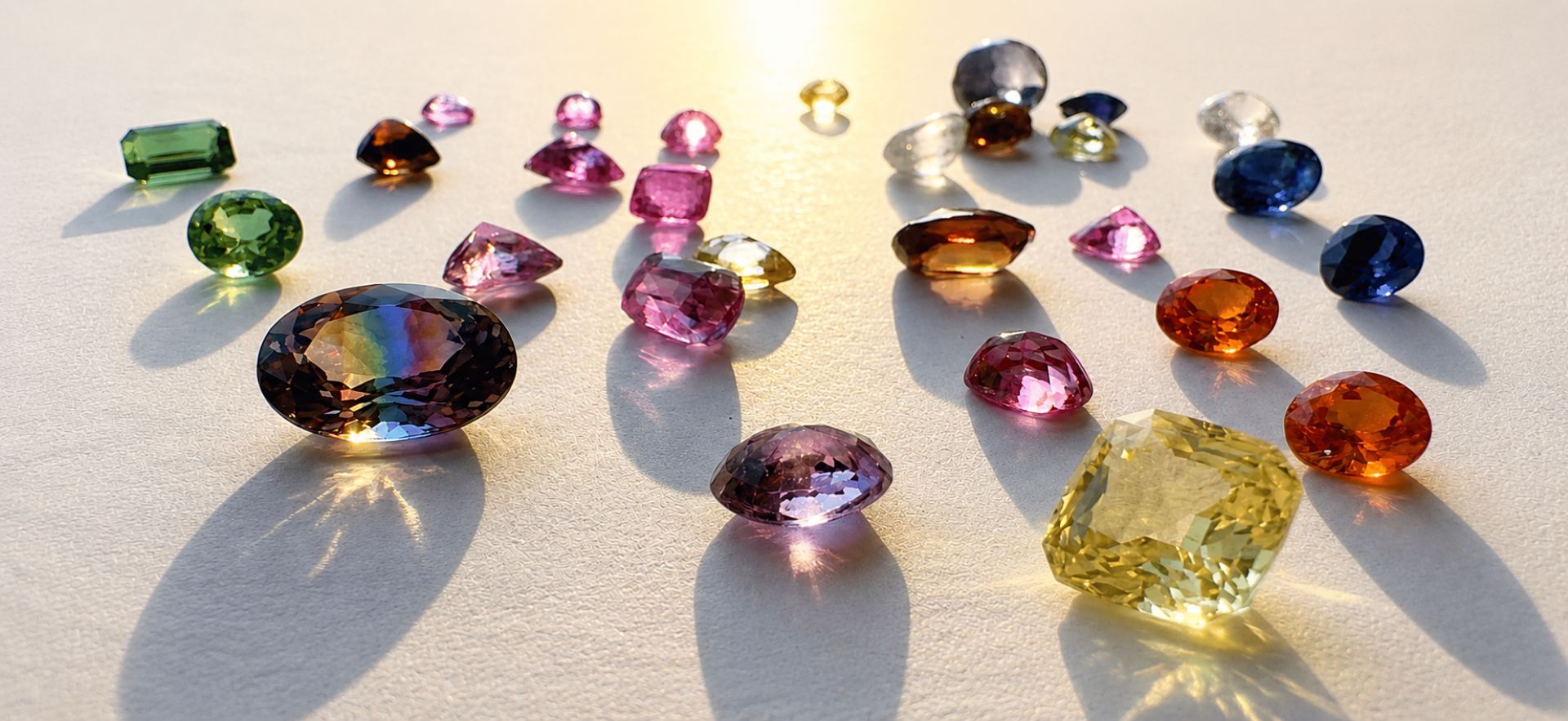
Astrology and gemology answer different questions. Astrology asks which planet needs support. Gemology asks if the stone is what the seller claims. Keeping these questions separate prevents bad advice.
| Question | Astrologer | Gemologist |
| Which planet needs support? | Yes | No |
| Which stone should I wear? | Yes | No |
| Is the stone real? | No | Yes |
| Is the stone treated? | No | Yes |
| Does it match my chart? | Yes | No |
The word real is not precise in the gem trade. A gemologist uses four groups. Each group has a different meaning for authenticity and value.
| Group | What It Means | Real? | Price |
| Natural and Untreated | Mined from the earth. Cut and polished only. No heat, chemicals, or infusions. | Yes | Highest |
| Natural and Treated | Mined from earth. Then enhanced. Methods include heating, irradiation, oiling, or dyeing. | Yes, natural material | Moderate, market standard |
| Synthetic or Lab-Grown | Made in a lab in weeks. Same chemistry as natural stones. But it lacks millions of years of earth formation. | Chemically real, not natural | Low |
| Imitation | Glass, plastic, doublets, or cheap minerals. They are made to look expensive. | No, fake | Very low |
For astrology, natural and untreated is ideal. Treated stones may still work for jewellery. But they may not carry the same value. Lab-grown and imitation stones are not suitable for remedies. They lack natural earth formation.
Highlight: For remedial use, the ideal stone is natural and untreated.
For a remedial purchase, both roles are necessary. The astrologer chooses the stone. The gemologist confirms the stone. If you skip the astrologer, you may buy the wrong stone. If you skip the gemologist, you may buy a fake or treated stone.
The cost of skipping either expert is high. A wrong stone wastes money. It also delays the remedy. A fake stone may bring disappointment. It may also create doubts about the entire process.
So for a remedial gemstone, you need both. The astrologer gives the prescription. The gemologist checks the medicine.
Expert Insight: The prescription must match your chart. The stone must match the prescription. Skipping either step leads to failure.
Not every purchase requires both experts; the need depends on your goal. Here are some examples of when you need the services of one expert.
In short, match the expert to the task. Do not pay for a reading if you only want a necklace. Do not skip verification if you plan to wear the stone for a remedy.
Some sellers claim to be both astrologer and gemologist. This is possible in theory. It is rare in practice. Each field takes decades to learn.
The real problem is conflict of interest. If the same person prescribes a stone and sells it, their advice may favour the sale. That is a risk you should not ignore.
Ask who read your chart. Ask who tested the stone. Ask for the lab report. If the same person did everything, get a second opinion.
Expert Insight: One person claiming both roles deserves scrutiny. The risk of bias is high.
Use this step-by-step checklist before buying an astrological gemstone.
Highlight: For a remedial stone, never skip chart analysis or stone verification.
Not always. It depends on your goal. For an astrological gemstone purchase, you need both. For jewellery only, you may only need a gemologist. For a reading only, you may only need an astrologer.
No. Astrologers study charts and planetary periods. They are not trained in mineralogy. They cannot detect treatments or synthetics. They give the prescription. They do not give the authenticity report.
No. Gemologists study stones. They do not read birth charts. They can tell you if a stone is real. They cannot tell you if it matches your chart.
That helps because they can verify the stone. But they still cannot decide if it matches your chart. You still need an astrologer. Also check for conflict of interest. Remember that the seller profits from the sale.
That is fine. Many jewellery houses have both on staff. The key is separation. The astrologer should not verify the stone. The gemologist should not read your chart. Each should stay in their lane.
You can. But it is risky. You may buy a fake. You may buy a treated stone. You may pay too much. For a remedial stone, the risk is higher. A fake stone may not help. It may even cause problems.
Look for a certified gemologist. Check their credentials. Ask for lab reports from GIA, IGI, or GRS. Verify the report number on the lab website. Do not rely on the seller’s link.
Look for someone with Vedic training. Ask about their approach. They should study your birth chart. They should explain their reasoning. They should not promise miracles. They should not sell you a stone themselves.

 505.00